
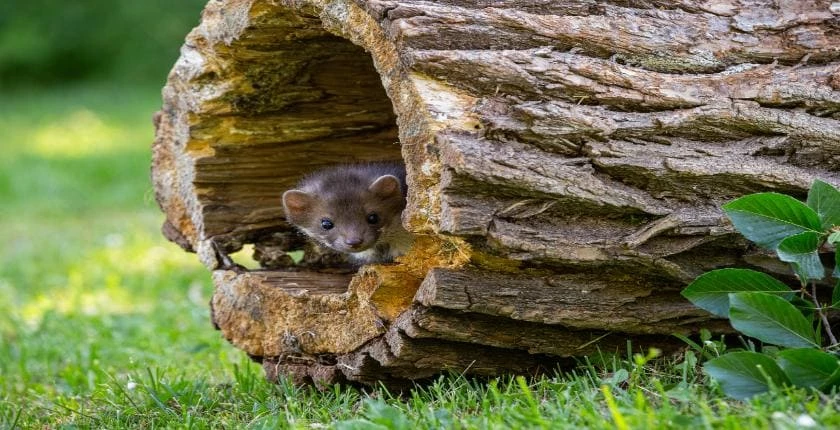
Dormouse Surveys
Get in TouchAcorn Ecology provides Dormouse Surveys for development, infrastructure and land management projects . Acorn Ecology helps identify the presence of hazel dormice, supports planning applications and provides ecological advice to reduce delays while protecting legally protected species.
What Is Dormouse Surveys?
Dormouse Surveys identify the presence, distribution and activity of hazel dormice within suitable habitats. Acorn Ecology carries out surveys for sites across using recognised survey methods, helping clients understand ecological constraints before development or land management begins.
Dormice are fully protected under UK wildlife legislation. Surveys are commonly required where woodland, hedgerows, scrub or connected habitats may support this species. Survey findings inform planning decisions, mitigation measures and habitat management.
What Types of Dormouse Surveys Are Available?
Dormouse Surveys include different survey methods selected according to habitat, season and project requirements. Acorn Ecology recommends the most suitable approach following an initial ecological assessment.
Preliminary Habitat Assessment – Evaluates whether suitable dormouse habitat is present.
Nest Tube Surveys – Uses specially installed tubes monitored over several months.
Nest Box Surveys – Checks purpose-built nest boxes during the survey season.
Footprint Tunnel Surveys – Detects dormouse activity using tracking methods where appropriate.
Mitigation and Monitoring Surveys – Supports projects requiring ecological management after planning approval.
When Is Dormouse Surveys Needed?
Dormouse Surveys are required when development may affect suitable dormouse habitat. Acorn Ecology recommends surveys before planning decisions where woodland, hedgerows or scrub vegetation could be impacted.
Typical situations include housing developments, road schemes, utility installations, woodland management and agricultural improvements. Dormouse surveys are generally undertaken between April and November, with nest tube surveys often requiring monitoring over approximately 6 months.
How Does Dormouse Surveys Work?
Dormouse Surveys follow an established ecological process designed to gather reliable survey data. Acorn Ecology completes each stage using recognised survey guidance.
Carry out an initial habitat assessment.
Identify whether dormouse surveys are necessary.
Install nest tubes, nest boxes or other survey equipment where appropriate.
Visit the site at regular intervals throughout the survey season.
Analyse findings and prepare an ecological report with recommendations.
Who Needs Dormouse Surveys?
Dormouse Surveys support projects where protected species may influence planning or construction. Acorn Ecology works with clients across multiple sectors throughout and other service areas.
Clients commonly include:
Property developers
Planning consultants
Architects
Local authorities
Infrastructure providers
Landowners
Woodland managers
Conservation organisations
How Much Does Dormouse Surveys Cost?
Dormouse Surveys typically cost from around £800 for smaller sites, while larger or more complex projects can range from £2,000 to over £6,000 depending on survey duration and habitat requirements. Acorn Ecology provides quotations based on individual project needs.
Typical cost factors include:
Small residential sites: approximately £800–£1,500
Medium development sites: approximately £1,500–£3,500
Large or complex sites: £3,500–£6,000+
Final costs depend on site size, habitat complexity, survey method, monitoring visits and reporting requirements.
What Are the Benefits of Dormouse Surveys?
Dormouse Surveys provide ecological information that supports planning and protects legally protected wildlife. Acorn Ecology delivers survey data that helps clients make informed project decisions.
Benefits include:
Identifies protected species early in project planning.
Supports planning application requirements.
Helps reduce avoidable project delays.
Informs proportionate mitigation strategies.
Protects important woodland and hedgerow habitats.
Provides evidence-based ecological reporting.
What Regulations Apply to Dormouse Surveys?
Dormouse Surveys support compliance with UK wildlife legislation affecting protected species. Acorn Ecology undertakes surveys that assist clients in meeting planning and environmental requirements.
Hazel dormice are protected under the Wildlife and Countryside Act 1981 and the Conservation of Habitats and Species Regulations 2017. Planning authorities may require appropriate ecological information before determining development applications, while Natural England is the relevant licensing authority where licensed activities become necessary.
Dormouse Surveys: Frequently Asked Questions
How much do Dormouse Surveys cost?
Dormouse Surveys generally start from around £800 for straightforward projects, with larger developments often costing between £2,000 and £6,000 or more. The final quotation depends on habitat suitability, survey duration and the number of monitoring visits required.
How long do Dormouse Surveys take?
Dormouse Surveys usually extend over approximately 4 to 6 months because monitoring takes place throughout the recognised survey season. Individual site visits are typically completed within a few hours depending on site size.
When should Dormouse Surveys be carried out?
Dormouse Surveys are generally undertaken between April and November. Starting surveys early in the season provides sufficient time to complete the recommended programme before planning deadlines.
Are Dormouse Surveys required for every development?
Dormouse Surveys are only required where suitable habitat is present and development could affect hazel dormice. An initial habitat assessment determines whether further protected species surveys are necessary.
What happens if dormice are found during surveys?
Dormouse Surveys may identify the need for mitigation or licensing where protected species are present. Acorn Ecology provides ecological recommendations that help projects progress while supporting legal compliance and habitat protection.
Get a Free Quote for Dormouse Surveys
Acorn Ecology provides Dormouse Surveys for projects of all sizes across and throughout its wider service area. Contact Acorn Ecology to discuss your site, planning requirements and survey timescales.
Related Dormouse Surveys Services
Dormouse surveys are commonly recommended after a Preliminary Ecological Appraisal identifies suitable woodland or hedgerow habitats.
Detailed habitat information gathered through a UKHab habitat condition survey helps assess habitat quality for dormice.
Survey findings are often incorporated into an Ecological Impact Assessment to support planning applications.
If development could affect this protected species, our European Protected Species licensing service assists with obtaining the necessary statutory approvals.
Projects involving dormouse habitats typically require ecological mitigation method statements to safeguard populations during construction.
Long-term conservation objectives can be supported through habitat management and enhancement plans, improving habitat connectivity and quality.