
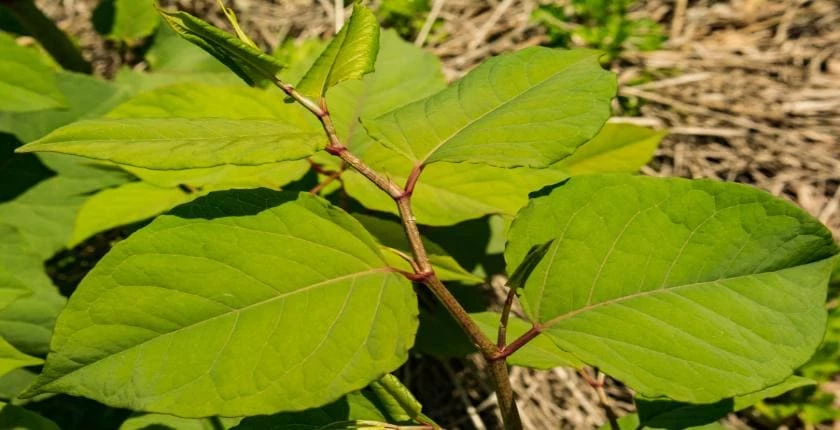
Japanese Knotweed Management
Get in TouchAcorn Ecology provides Japanese Knotweed Management to help developers, landowners and property professionals assess invasive plant risks and plan appropriate management strategies. Acorn Ecology supports projects across the UK by identifying infestations and recommending practical measures that help reduce ecological and planning constraints.
What Is Japanese Knotweed Management?
Japanese Knotweed Management is the process of assessing, monitoring and controlling Japanese knotweed to minimise its impact on land, development and surrounding habitats. Acorn Ecology evaluates the extent of infestations and provides management recommendations that support planning requirements and long-term site use.
Management plans help reduce the spread of this invasive species while informing construction programmes, landscaping works and environmental management throughout the project lifecycle.
What Types of Japanese Knotweed Management Are Available?
Japanese Knotweed Management can be tailored to the size of the infestation, proposed land use and project timescales. Acorn Ecology advises on suitable management approaches following a detailed site assessment.
Site Assessment – Identifies infestation size, density and distribution.
Management Plans – Provides recommendations for controlling knotweed during development.
Monitoring Programmes – Tracks site conditions over multiple inspections.
Planning Support – Supplies documentation for planning applications and environmental reports.
Post-Treatment Monitoring – Reviews sites following management works to assess ongoing conditions.
When Is Japanese Knotweed Management Needed?
Japanese Knotweed Management is commonly required before construction, redevelopment, land sales or infrastructure works where invasive plants could affect the site. Acorn Ecology recommends early assessment to avoid unnecessary project delays.
Management is often needed for residential developments, commercial projects, highways, utility works, brownfield regeneration, public sector schemes and large private estates where knotweed has been identified or suspected.
How Does Japanese Knotweed Management Work?
Japanese Knotweed Management follows a structured ecological process. Acorn Ecology assesses the site and prepares recommendations that align with the proposed development.
Review site information and development plans.
Carry out a detailed site inspection.
Map the extent of Japanese knotweed.
Assess potential risks to the project.
Prepare a management plan with practical recommendations and monitoring requirements where appropriate.
Who Needs Japanese Knotweed Management?
Japanese Knotweed Management supports projects where invasive species could affect planning, construction or land use. Acorn Ecology provides services for a wide range of sectors throughout the UK.
Typical clients include:
Property developers
House builders
Planning consultants
Local authorities
Commercial property owners
Landowners
Civil engineering contractors
Infrastructure providers
How Much Does Japanese Knotweed Management Cost?
Japanese Knotweed Management typically starts from around £500, with larger or more complex projects ranging from £1,500 to £5,000+, depending on the site size, infestation level and monitoring requirements. Acorn Ecology confirms project-specific costs following a site assessment.
Typical cost bands include:
Small residential sites – from £500 to £1,000
Medium commercial developments – £1,000 to £2,500
Large or complex development sites – £2,500 to £5,000+
Overall costs are influenced by infestation size, site access, reporting requirements, project duration and any ongoing monitoring needed.
What Are the Benefits of Japanese Knotweed Management?
Japanese Knotweed Management helps identify ecological constraints early and supports informed development decisions. Acorn Ecology provides practical guidance that reduces risks throughout the planning and construction process.
Benefits include:
Supports planning applications
Identifies invasive plant risks
Reduces potential project delays
Assists long-term site management
Protects surrounding habitats
Provides detailed ecological reporting
Supports responsible land management
What Regulations Apply to Japanese Knotweed Management?
Japanese Knotweed Management supports compliance with legislation governing invasive non-native species. Japanese knotweed is regulated under the Wildlife and Countryside Act 1981, which makes it an offence to plant or otherwise cause the species to grow in the wild. The handling and disposal of contaminated material must also comply with relevant environmental and waste management legislation where applicable.
Japanese Knotweed Management: Frequently Asked Questions
How much does Japanese Knotweed Management cost?
Japanese Knotweed Management generally starts from around £500, while larger developments requiring long-term monitoring may exceed £5,000. The final cost depends on site conditions and project scope.
How long does Japanese Knotweed Management take?
Japanese Knotweed Management begins with a site assessment that typically takes 1 day or less. Overall management programmes may continue for several months to several years, depending on the chosen management approach and site requirements.
Is Japanese Knotweed Management required before planning permission?
Japanese Knotweed Management may be required where invasive species could affect proposed development. Planning authorities often expect ecological information where Japanese knotweed presents a material constraint to development.
Can Japanese Knotweed return after management?
Yes. Japanese Knotweed Management often includes periodic monitoring because regrowth can occur if management is incomplete. Follow-up inspections help confirm that management objectives continue to be met.
Does Japanese Knotweed Management include ecological reporting?
Yes. Japanese Knotweed Management can include detailed reports describing site conditions, mapped infestations and management recommendations to support planning applications and development decisions.
Get a Free Quote for Japanese Knotweed Management
Acorn Ecology provides Japanese Knotweed Management for residential, commercial and infrastructure projects across the UK. Contact Acorn Ecology to discuss your project and receive a tailored quotation based on your site requirements.
Related Japanese Knotweed Management Services
Successful treatment programmes begin with Japanese knotweed surveys to accurately identify the extent of any infestation.
Where development is planned, an Ecological Impact Assessment helps consider the wider ecological implications of site works.
Sites containing significant vegetation often require arboricultural tree surveys to ensure tree protection is considered alongside invasive species control.
Ecological recommendations can be documented through our ecological planning support and survey reports, providing clear guidance for developers and planners.
Following treatment, habitat management and enhancement plans support successful site restoration and biodiversity improvements.
Where construction is taking place, our Ecological Clerk of Works service can monitor ecological protection measures throughout the project.