
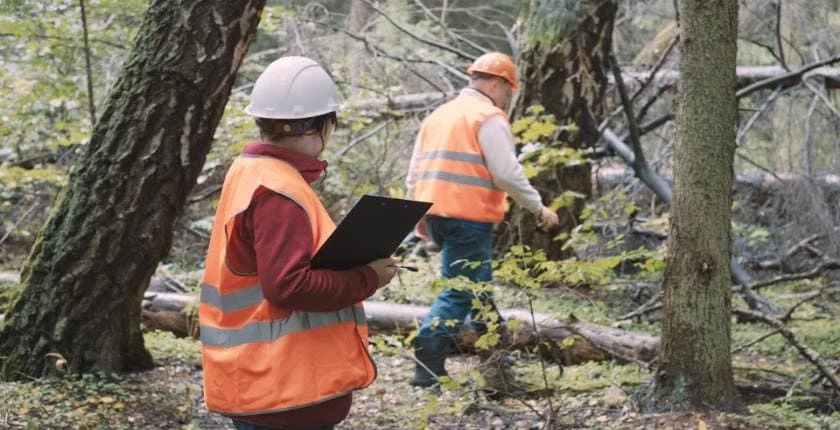
UKHab / Habitat Condition Survey
Get in touchAcorn Ecology provides UKHab / Habitat Condition Survey services for developments, landowners and environmental projects . Acorn Ecology assesses habitat types and conditions using recognised UKHab methodology to support planning applications, Biodiversity Net Gain requirements and informed land management decisions.
What Is a UKHab / Habitat Condition Survey?
A UKHab / Habitat Condition Survey is an ecological assessment that identifies habitat types and measures their condition using the UK Habitat Classification system. Acorn Ecology carries out surveys that provide detailed habitat mapping and condition assessments, with most smaller sites surveyed within 1 day.
The survey records habitat distinctiveness, condition indicators, vegetation structure and ecological features. The findings support planning, habitat management and Biodiversity Net Gain assessments.
What Types of UKHab / Habitat Condition Survey Are Available?
UKHab / Habitat Condition Survey services can be tailored to different development, conservation and land management requirements. Acorn Ecology provides surveys for a wide variety of sites.
Planning Application Surveys – Habitat assessments supporting planning submissions.
Biodiversity Net Gain Surveys – Baseline habitat data for BNG calculations.
Agricultural Land Surveys – Habitat condition assessments for farms and estates.
Commercial Development Surveys – Ecological surveys for industrial and commercial sites.
Habitat Management Surveys – Assessments supporting long-term habitat improvement.
When Is a UKHab / Habitat Condition Survey Needed?
A UKHab / Habitat Condition Survey is needed before many developments where habitat quality must be assessed. Acorn Ecology recommends carrying out surveys early in the design process, as seasonal vegetation changes can affect ecological recording throughout the year.
Surveys are commonly required for:
Planning applications.
Biodiversity Net Gain assessments.
Land management plans.
Habitat restoration projects.
Infrastructure developments.
Agricultural diversification.
Estate management.
Early ecological assessment helps reduce planning delays and informs project design.
How Does a UKHab / Habitat Condition Survey Work?
A UKHab / Habitat Condition Survey follows a structured field assessment using recognised habitat classification guidance. Acorn Ecology provides clear reports suitable for planning and ecological decision-making.
Review the proposed project and available site information.
Carry out a detailed habitat walkover survey.
Classify habitats using UKHab categories.
Assess habitat condition using recognised criteria.
Prepare a report with mapping, findings and recommendations.
Most surveys take between 0.5 and 2 days, depending on the size and complexity of the site.
Who Needs a UKHab / Habitat Condition Survey?
UKHab / Habitat Condition Survey services are suitable for clients managing land or preparing development projects. Acorn Ecology supports both private and public sector projects.
Typical clients include:
Property developers.
Planning consultants.
Local authorities.
Landowners.
Farmers.
Architects.
Environmental consultants.
Infrastructure providers.
How Much Does a UKHab / Habitat Condition Survey Cost?
UKHab / Habitat Condition Survey costs depend on site size, habitat diversity and reporting requirements. Acorn Ecology provides tailored quotations for each project.
Typical guide prices include:
Small sites – from around £500–£900.
Medium-sized developments – approximately £900–£1,800.
Large or complex sites – typically £1,800+, subject to site assessment.
Final costs depend on access arrangements, habitat complexity, seasonal requirements and whether additional ecological surveys are recommended.
What Are the Benefits of a UKHab / Habitat Condition Survey?
A UKHab / Habitat Condition Survey provides accurate habitat classification and condition assessment for planning and environmental management. Acorn Ecology helps clients make informed decisions based on recognised ecological standards.
Benefits include:
Standardised habitat classification.
Detailed habitat condition assessment.
Support for Biodiversity Net Gain requirements.
Improved planning application evidence.
Identification of ecological constraints.
Practical recommendations for habitat management.
What Regulations Apply to UKHab / Habitat Condition Surveys?
UKHab / Habitat Condition Surveys support compliance with UK planning and environmental requirements. Acorn Ecology prepares surveys that assist planning authorities and developers in assessing ecological impacts.
Relevant legislation and guidance may include:
Environment Act 2021.
National Planning Policy Framework (NPPF).
Biodiversity Net Gain guidance.
Wildlife and Countryside Act 1981.
Conservation of Habitats and Species Regulations 2017.
Survey requirements vary according to the proposed development and local planning authority policies.
UKHab / Habitat Condition Survey: Frequently Asked Questions
How much does a UKHab / Habitat Condition Survey cost?
UKHab / Habitat Condition Survey costs generally start from around £500 for smaller sites. Larger developments and more complex habitats increase survey costs, with quotations provided following an initial site review.
How long does a UKHab / Habitat Condition Survey take?
Most UKHab / Habitat Condition Surveys require 0.5 to 2 days of fieldwork. Reports are typically completed within 5 to 10 working days, depending on survey complexity and project requirements.
How long is a UKHab / Habitat Condition Survey valid?
A UKHab / Habitat Condition Survey is generally considered reliable for around 12 to 24 months, although updated surveys may be needed if habitat conditions change significantly or planning is delayed.
Is a UKHab / Habitat Condition Survey suitable for Biodiversity Net Gain?
Yes. UKHab / Habitat Condition Surveys provide the habitat classification and condition data commonly required as part of Biodiversity Net Gain assessments, subject to project-specific planning requirements.
Can a UKHab / Habitat Condition Survey identify protected species?
A UKHab / Habitat Condition Survey focuses on habitats and their condition. During the survey, ecologists also identify habitats with potential to support protected species and may recommend additional species-specific surveys where appropriate.
Get a Free Quote for UKHab / Habitat Condition Survey
Acorn Ecology provides professional UKHab / Habitat Condition Survey services for developments, landowners and environmental projects. Contact Acorn Ecology to discuss your requirements and receive a tailored quotation.
Related UKHab / Habitat Condition Survey Services
Detailed habitat assessments often build upon a Phase 1 habitat survey, providing more accurate habitat classification.
UKHab surveys are regularly required for Biodiversity Net Gain assessments, where habitat condition plays a key role in biodiversity calculations.
The survey results frequently contribute towards an Ecological Impact Assessment for planning purposes.
Where suitable habitats are identified, additional protected species surveys may be recommended.
Long-term habitat improvements can be delivered through habitat management and enhancement plans.
Comprehensive findings are presented within our ecological planning support and survey reports.