
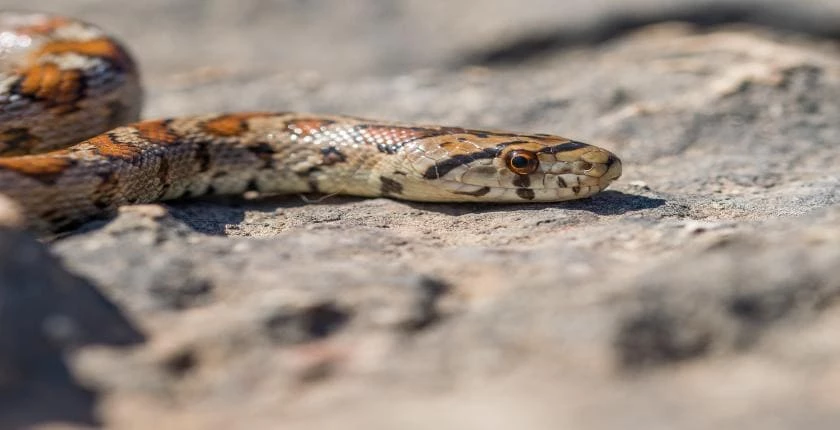
Reptile Surveys
Get in TouchAcorn Ecology provides Reptile Surveys for developments and across the UK. The consultancy helps developers, landowners and planning professionals identify protected reptiles, satisfy planning requirements and reduce ecological risks before construction or land management begins.
What Are Reptile Surveys?
Reptile Surveys are ecological assessments that identify the presence, distribution and population status of native reptiles on a site. Acorn Ecology carries out surveys to inform planning decisions, guide mitigation measures and help developments proceed while protecting important habitats.
Surveys typically target common lizard, slow worm, grass snake and adder using recognised survey techniques carried out during suitable weather conditions.
What Types of Reptile Surveys Are Available?
Reptile Surveys include several survey types depending on the site's habitats, planning requirements and development proposals. Acorn Ecology recommends the most appropriate survey programme for every project.
Preliminary Habitat Assessment – Identifies habitats suitable for reptiles before detailed surveys.
Presence or Likely Absence Surveys – Determines whether reptiles are present on a site.
Population Assessments – Estimates reptile numbers through multiple survey visits.
Impact Assessments – Evaluates how development may affect reptile populations.
Mitigation Strategy Surveys – Provides information to support habitat protection or translocation where appropriate.
Construction Monitoring – Ecological supervision during site clearance and development.
When Are Reptile Surveys Needed?
Reptile Surveys are required when development could affect habitats suitable for native reptiles. Acorn Ecology identifies ecological constraints early, allowing planning applications to progress with appropriate ecological information.
Surveys are commonly required for:
Residential developments
Commercial developments
Infrastructure projects
Solar farms
Brownfield redevelopment
Grassland restoration
Quarry developments
Utility installations
Field surveys are generally completed between April and June or September, when reptiles are most active.
How Do Reptile Surveys Work?
Reptile Surveys follow recognised ecological survey methods to collect reliable data. Acorn Ecology carries out surveys during favourable weather conditions using industry-standard techniques.
Assess habitat suitability across the site.
Install artificial refugia where appropriate.
Complete multiple survey visits over several weeks.
Record reptile species, abundance and distribution.
Assess development impacts.
Produce an ecological report with mitigation recommendations if required.
Most survey programmes include 7 survey visits over a period of approximately 4 to 8 weeks.
Who Needs Reptile Surveys?
Reptile Surveys are suitable for projects involving land that may support protected reptile species. Acorn Ecology works with clients throughout the UK, including developments.
Typical clients include:
Property developers
Planning consultants
Architects
Civil engineering contractors
Local authorities
Housing associations
Utilities companies
Landowners
Renewable energy developers
Environmental consultants
How Much Do Reptile Surveys Cost?
Reptile Surveys typically cost between £700 and £3,000, depending on site size, habitat complexity, survey duration and the number of required visits. Acorn Ecology provides tailored quotations after reviewing project requirements.
Typical cost ranges include:
Small development sites: £700–£1,200
Standard survey programmes: £1,200–£2,000
Large or complex developments: £2,000–£3,000+
Additional monitoring or mitigation support: priced following assessment
Final costs depend on access, habitat quality, survey timing and planning authority requirements.
What Are the Benefits of Reptile Surveys?
Reptile Surveys provide ecological information that supports planning applications and protects native reptile populations. Acorn Ecology delivers clear reports that help developments progress with suitable mitigation where necessary.
Benefits include:
Supports planning applications
Identifies protected reptile species
Reduces ecological risks
Informs mitigation strategies
Helps avoid project delays
Supports habitat conservation
Provides reliable ecological evidence
What Regulations Apply to Reptile Surveys?
Reptile Surveys support compliance with the Wildlife and Countryside Act 1981, which protects all native reptile species from intentional killing or injury, with additional protection applying to certain species. Planning authorities may also require reptile surveys under the National Planning Policy Framework where development could affect protected habitats or species.
Mitigation measures should be planned before construction begins where reptiles are identified on site.
Reptile Surveys: Frequently Asked Questions
How much do Reptile Surveys cost?
Reptile Surveys usually cost between £700 and £3,000, depending on the site's size, habitat quality and survey scope. A tailored quotation is provided following an initial review of the project.
When should Reptile Surveys be carried out?
Reptile Surveys are typically completed between April and June, with an additional suitable survey period during September. Surveys are scheduled when reptiles are active and weather conditions are favourable.
How long do Reptile Surveys take?
Most Reptile Surveys require 7 survey visits over approximately 4 to 8 weeks. The programme length depends on habitat conditions, weather and the objectives of the ecological assessment.
Are Reptile Surveys always required?
No. Reptile Surveys are generally required only where habitats suitable for reptiles are present or where planning authorities request ecological evidence before determining a planning application.
What happens if reptiles are found during surveys?
If reptiles are identified during Reptile Surveys, Acorn Ecology may recommend habitat protection, phased vegetation clearance, ecological supervision or mitigation measures to reduce impacts while supporting planning compliance.
Get a Free Quote for Reptile Surveys
Acorn Ecology provides professional Reptile Surveys across the UK, including projects. Contact the team to discuss your development, arrange ecological surveys and receive a tailored quotation based on your project's ecological requirements.
Related Reptile Surveys Services
Reptile surveys are frequently identified as a requirement during a Preliminary Ecological Appraisal where suitable grassland, scrub or heathland habitats are present.
Habitat mapping from a Phase 1 habitat survey helps determine whether reptiles are likely to be present on site.
Survey results support an Ecological Impact Assessment by evaluating the potential impacts of development on protected reptile species.
Where reptiles are confirmed, our ecological mitigation method statements set out practical measures for habitat protection and species translocation.
Construction can be monitored by an Ecological Clerk of Works to ensure mitigation measures are implemented correctly.
Following development, habitat management and enhancement plans help maintain suitable conditions for reptiles in the long term.