
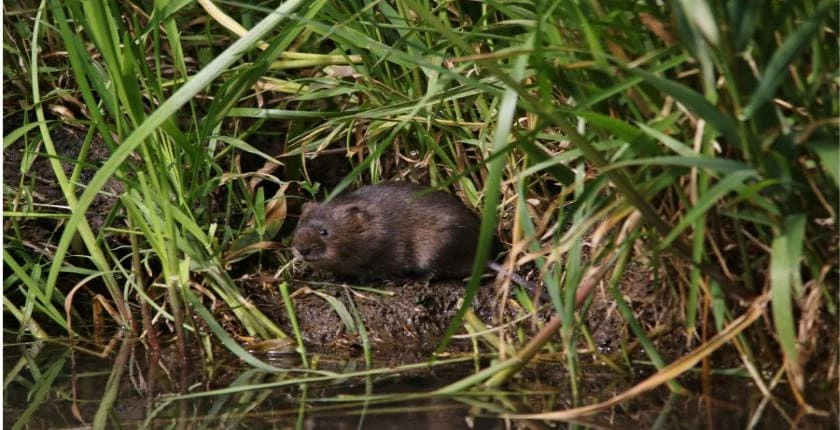
Water Vole Surveys
Get in TouchAcorn Ecology provides Water Vole Surveys to identify the presence of this protected species and support planning applications, habitat management and development projects. Acorn Ecology helps clients assess ecological constraints, meet legal requirements and plan appropriate mitigation where necessary.
What Is Water Vole Surveys?
Water Vole Surveys identify whether water voles are present within rivers, streams, ditches, canals or wetlands that may be affected by development. Acorn Ecology carries out habitat assessments and field surveys to record burrows, feeding stations, footprints and other field signs during recognised survey periods.
Survey findings help developers, landowners and planning consultants understand ecological risks before construction begins. Results are used to support planning applications, ecological impact assessments and habitat management strategies.
What Types of Water Vole Surveys Are Available?
Water Vole Surveys include several survey types depending on the site, habitat and project requirements. Acorn Ecology recommends the most appropriate survey after reviewing the proposed development.
Preliminary Habitat Assessment – Evaluates whether watercourses provide suitable habitat for water voles.
Presence and Absence Survey – Searches for field signs confirming whether water voles occupy the site.
Population Survey – Assesses the distribution and relative abundance of water voles across a site.
Impact Assessment – Evaluates how proposed development may affect water vole habitats.
Mitigation Monitoring – Confirms that mitigation measures remain effective after construction.
When Is Water Vole Surveys Needed?
Water Vole Surveys are typically required when development affects rivers, streams, drainage channels, ponds or wetland habitats. Acorn Ecology usually recommends surveys before planning applications where protected species may be present.
Common situations include residential developments, commercial schemes, flood defence projects, highways, utility installations, habitat restoration and infrastructure works. Surveys are generally undertaken between April and September when water vole activity is most visible.
How Does Water Vole Surveys Work?
Water Vole Surveys follow a structured ecological assessment process. Acorn Ecology completes surveys using recognised survey methods suitable for the site.
Review site plans and proposed development.
Complete an initial habitat assessment.
Inspect watercourses for burrows, feeding remains, latrines and tracks.
Record ecological data and map survey findings.
Produce a detailed report with recommendations where required.
Survey reports can support planning submissions and identify whether further ecological work is necessary.
Who Needs Water Vole Surveys?
Water Vole Surveys support projects where protected habitats or watercourses may be affected. Acorn Ecology works with a wide range of clients throughout the UK, including projects.
Typical clients include:
Property developers
Planning consultants
Architects
Civil engineering contractors
Local authorities
Utility companies
Landowners
Conservation organisations
How Much Does Water Vole Surveys Cost?
Water Vole Surveys typically cost from around £350 to £1,500+, depending on the size of the site, the length of watercourse surveyed and the complexity of the project. Acorn Ecology provides quotations based on individual project requirements.
Typical cost ranges include:
Small single watercourse surveys – from £350 to £600
Medium development sites – approximately £600 to £1,000
Large or complex sites – £1,000 to £1,500+
Factors influencing cost include habitat accessibility, survey duration, reporting requirements and whether repeat visits or additional ecological assessments are required.
What Are the Benefits of Water Vole Surveys?
Water Vole Surveys provide essential ecological information before development begins. Acorn Ecology helps clients reduce planning risks and identify protected species at an early stage.
Benefits include:
Supports planning applications
Identifies protected species presence
Reduces project delays
Helps plan appropriate mitigation
Assists ecological compliance
Protects valuable habitats
Provides clear ecological reporting
What Regulations Apply to Water Vole Surveys?
Water Vole Surveys support compliance with UK wildlife legislation protecting water voles and their habitats. Water voles receive legal protection under the Wildlife and Countryside Act 1981 (as amended), making it an offence to intentionally damage or destroy occupied habitats. Planning authorities may also require ecological surveys in line with national planning policy where protected species could be affected.
Water Vole Surveys: Frequently Asked Questions
How much do Water Vole Surveys cost?
Water Vole Surveys generally start from around £350, while larger or more complex developments may exceed £1,500. The final quotation depends on habitat size, survey requirements and reporting needs.
When should Water Vole Surveys be completed?
Water Vole Surveys are typically carried out between April and September, when field signs are easiest to identify. Survey timing is important because evidence is more reliable during the active season.
How long does a Water Vole Survey take?
Water Vole Surveys usually take half a day to two days on site, depending on the length of watercourse and habitat complexity. Reporting is commonly completed within 5 to 10 working days.
Can Water Vole Surveys support planning applications?
Yes. Water Vole Surveys provide ecological information frequently requested by planning authorities where developments may affect protected habitats. Survey reports help inform planning decisions and mitigation requirements.
Are repeat Water Vole Surveys required?
Repeat Water Vole Surveys may be necessary if surveys become outdated or if planning decisions are delayed. Ecological survey validity often depends on seasonal timing and changes to site conditions.
Get a Free Quote for Water Vole Surveys
Acorn Ecology provides Water Vole Surveys for residential, commercial and infrastructure developments across the UK. Contact Acorn Ecology to discuss your project and arrange an ecological survey tailored to your planning requirements.
Related Water Vole Surveys Services
Water vole surveys are commonly recommended following a Preliminary Ecological Appraisal where ditches, rivers or canals may provide suitable habitat.
Many projects combine otter surveys with water vole assessments to evaluate riparian habitats comprehensively.
Ecological data collected during surveys supports an Ecological Impact Assessment for planning and infrastructure projects.
Where works could affect protected habitats, our ecological mitigation method statements outline practical measures to reduce environmental impacts.
Ecological monitoring by an Ecological Clerk of Works helps ensure mitigation measures are delivered throughout the construction programme.
Following development, habitat management and enhancement plans support the long-term conservation of riparian habitats and protected species.