
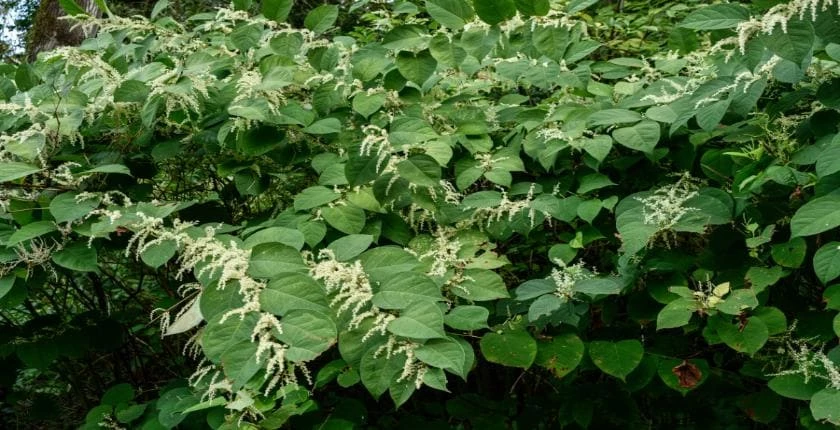
Japanese Knotweed Surveys
Get in TouchAcorn Ecology provides Japanese Knotweed Surveys to identify invasive plant growth and support planning applications, land transactions and development projects. Acorn Ecology helps developers, landowners and property professionals understand site constraints and manage invasive species responsibly.
What Is Japanese Knotweed Surveys?
Japanese Knotweed Surveys identify the presence, extent and distribution of Japanese knotweed on development sites and land parcels. Acorn Ecology carries out site inspections to assess the plant's location, density and potential impact on construction, landscaping and neighbouring properties.
Survey findings help clients make informed decisions before development begins. Reports can support planning applications, property purchases, environmental due diligence and invasive species management plans.
What Types of Japanese Knotweed Surveys Are Available?
Japanese Knotweed Surveys are available for different project types and property requirements. Acorn Ecology recommends the most suitable survey based on the intended land use and level of investigation required.
Preliminary Site Survey – Identifies visible signs of Japanese knotweed across a site.
Planning Survey – Assesses potential impacts on proposed development projects.
Property Purchase Survey – Supports buyers, sellers and lenders with site assessments.
Development Constraint Survey – Maps affected areas to inform project design.
Monitoring Survey – Reviews treated sites to record regrowth or successful control.
When Is Japanese Knotweed Surveys Needed?
Japanese Knotweed Surveys are typically required before planning applications, construction works, land acquisitions or property sales where invasive plants may be present. Acorn Ecology often undertakes surveys before site clearance or earthworks begin.
Surveys are particularly valuable for residential developments, commercial sites, infrastructure projects, housing schemes, brownfield land and properties located near known infestations. The growing season between April and October generally provides the clearest identification.
How Does Japanese Knotweed Surveys Work?
Japanese Knotweed Surveys follow a structured inspection process. Acorn Ecology records site conditions and prepares a detailed report suitable for planning or property purposes.
Review available site plans and project information.
Complete a detailed site inspection.
Identify and map Japanese knotweed stands.
Assess potential risks to development.
Produce a report with findings and management recommendations where appropriate.
Who Needs Japanese Knotweed Surveys?
Japanese Knotweed Surveys support projects where invasive species could affect land use or development. Acorn Ecology works with clients across the UK, including projects.
Typical clients include:
Property developers
Planning consultants
Landowners
House builders
Commercial property owners
Local authorities
Architects
Solicitors and property professionals
How Much Does Japanese Knotweed Surveys Cost?
Japanese Knotweed Surveys typically cost from around £300 to £1,200+, depending on the site size, accessibility and reporting requirements. Acorn Ecology provides quotations based on the scope and complexity of each project.
Typical cost ranges include:
Small residential properties – from £300 to £500
Medium development sites – approximately £500 to £800
Large commercial or infrastructure sites – £800 to £1,200+
Costs are influenced by survey area, vegetation density, access arrangements and whether mapping or additional ecological reporting is required.
What Are the Benefits of Japanese Knotweed Surveys?
Japanese Knotweed Surveys provide early identification of invasive species before development progresses. Acorn Ecology helps clients reduce project risks and plan suitable management strategies.
Benefits include:
Identifies invasive plant growth
Supports planning applications
Assists land and property transactions
Helps reduce construction delays
Informs site management plans
Supports environmental compliance
Provides clear survey documentation
What Regulations Apply to Japanese Knotweed Surveys?
Japanese Knotweed Surveys support compliance with UK legislation relating to invasive non-native species. Japanese knotweed is controlled under the Wildlife and Countryside Act 1981, which makes it an offence to plant or otherwise cause it to grow in the wild. Disposal of contaminated material is also subject to relevant environmental and waste legislation where applicable.
Japanese Knotweed Surveys: Frequently Asked Questions
How much do Japanese Knotweed Surveys cost?
Japanese Knotweed Surveys generally start from around £300, with larger development sites commonly costing £1,200 or more. Final costs depend on site size, accessibility and reporting requirements.
When is the best time for Japanese Knotweed Surveys?
Japanese Knotweed Surveys are usually most effective between April and October, when plant growth is clearly visible. Surveys outside this period may still be possible depending on site conditions and previous records.
How long does a Japanese Knotweed Survey take?
Japanese Knotweed Surveys typically require 1 to 6 hours on site, depending on property size. Survey reports are often completed within 5 to 10 working days.
Can Japanese Knotweed Surveys support planning applications?
Yes. Japanese Knotweed Surveys help identify invasive species constraints that planning authorities and developers may need to consider before development proceeds.
Do Japanese Knotweed Surveys include treatment?
Japanese Knotweed Surveys focus on identifying and assessing infestations. If knotweed is found, the survey report may recommend appropriate management or treatment options for further consideration.
Get a Free Quote for Japanese Knotweed Surveys
Acorn Ecology provides Japanese Knotweed Surveys for residential, commercial and development projects across the UK. Contact Acorn Ecology to discuss your site and arrange a professional survey tailored to your project.
Related Japanese Knotweed Surveys Services
Japanese knotweed surveys are often recommended during a Preliminary Ecological Appraisal to identify invasive plant species before development begins.
Where infestations are confirmed, our Japanese knotweed management service provides effective treatment and long-term control strategies.
Survey findings can contribute towards an Ecological Impact Assessment, particularly where invasive species may influence development proposals.
Sites with mature vegetation may also benefit from arboricultural tree surveys to assess existing trees alongside invasive plant management.
All ecological findings can be incorporated into our ecological planning support and survey reports for planning or land transactions.
Where habitat restoration is required after treatment, habitat management and enhancement plans help establish healthy, sustainable landscapes.