
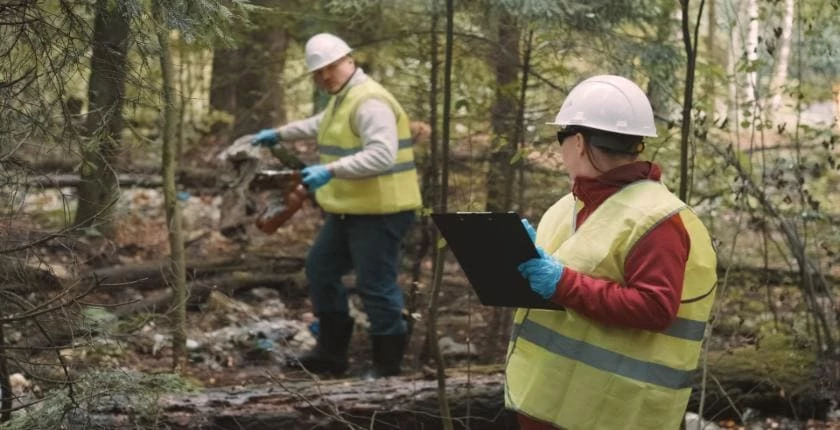
Protected Species Surveys
Get in TouchAcorn Ecology provides Protected Species Surveys for residential, commercial and infrastructure developments . The consultancy helps developers, architects, landowners and planning professionals identify protected species, satisfy planning requirements and reduce the risk of project delays through reliable ecological surveys.
What Is Protected Species Surveys?
Protected Species Surveys identify the presence, likely absence or level of activity of legally protected wildlife on a development site. Acorn Ecology carries out ecological surveys to support planning applications, inform project design and help clients meet wildlife legislation before work begins.
Surveys may focus on species such as bats, great crested newts, badgers, reptiles, breeding birds, dormice, otters and water voles, depending on habitat suitability and planning requirements.
What Types of Protected Species Surveys Are Available?
Protected Species Surveys cover a wide range of habitats and protected wildlife. Acorn Ecology recommends surveys based on preliminary ecological findings, habitat assessments and seasonal survey requirements.
Bat Surveys – Activity, emergence and roost assessments for buildings and trees.
Great Crested Newt Surveys – Pond surveys using recognised survey methods during the appropriate season.
Badger Surveys – Identification of setts, territories and foraging activity.
Reptile Surveys – Presence and population assessments for common reptile species.
Breeding Bird Surveys – Surveys for nesting birds and important breeding habitats.
Dormouse, Otter and Water Vole Surveys – Habitat inspections where suitable conditions exist.
When Is Protected Species Surveys Needed?
Protected Species Surveys are needed when habitats indicate protected wildlife may be affected by development. Acorn Ecology recommends surveys during the planning stage to avoid delays once applications have been submitted.
Surveys are commonly required before housing developments, commercial buildings, road schemes, agricultural projects, renewable energy developments and land redevelopment where protected habitats or species may be present.
How Does Protected Species Surveys Work?
Protected Species Surveys follow recognised ecological survey methods and seasonal guidance. Acorn Ecology assesses habitats, completes field surveys and prepares reports suitable for planning authorities and project teams.
Review the proposed development and available ecological information.
Complete an initial habitat assessment.
Carry out species-specific field surveys during the appropriate survey season.
Assess survey findings and potential ecological impacts.
Produce an ecological report with recommendations where required.
Survey programmes may take 1 day to several months, depending on the species involved and seasonal survey windows.
Who Needs Protected Species Surveys?
Protected Species Surveys support clients who require ecological information before development or land management works. Acorn Ecology works with a broad range of sectors across and surrounding areas.
Typical clients include:
Property developers
Housebuilders
Architects
Planning consultants
Landowners
Commercial property owners
Local authorities
Utility and infrastructure providers
How Much Does Protected Species Surveys Cost?
Protected Species Surveys typically cost between £350 and £3,500+, depending on the survey type, species involved, number of survey visits and site size. Acorn Ecology provides project-specific quotations following an initial review.
Typical cost ranges include:
Preliminary species surveys: £350–£800
Single protected species surveys: £800–£2,000
Multiple survey visits or complex sites: £2,000–£3,500+
Final costs depend on habitat complexity, access arrangements, survey timing and reporting requirements.
What Are the Benefits of Protected Species Surveys?
Protected Species Surveys provide reliable ecological information that supports planning applications and responsible development. Acorn Ecology helps clients understand ecological constraints before construction begins.
Benefits include:
Supports planning applications
Identifies protected wildlife early
Reduces project delays
Helps inform development design
Supports legal compliance
Provides evidence-based ecological reports
What Regulations Apply to Protected Species Surveys?
Protected Species Surveys help support compliance with the Wildlife and Countryside Act 1981, the Conservation of Habitats and Species Regulations 2017 where applicable, and planning policies relating to biodiversity and protected species. Local planning authorities may require survey evidence before determining planning applications.
Protected species legislation varies according to species and development proposals, so survey recommendations should be completed by qualified ecological professionals.
Protected Species Surveys: Frequently Asked Questions
When should Protected Species Surveys be completed?
Protected Species Surveys should be completed before planning decisions and during the correct survey season. Some surveys are limited to specific months, meaning early project planning can prevent delays of 3 to 12 months.
How much do Protected Species Surveys cost?
Costs generally range from £350 to more than £3,500, depending on the species surveyed, the number of required visits and the complexity of the site. A tailored quotation provides the most accurate price.
How long do Protected Species Surveys take?
Some Protected Species Surveys can be completed within 1 day, while others require several survey visits over 2 to 6 months because of seasonal ecological guidance and species behaviour.
Are Protected Species Surveys always required for planning applications?
No. Protected Species Surveys are only required where suitable habitat or preliminary ecological assessments indicate protected species may be present or where requested by the planning authority.
Can development continue if protected species are found?
Yes, in many cases development can proceed after Protected Species Surveys, provided suitable mitigation, avoidance or compensation measures are incorporated into the project where required by legislation and planning conditions.
Get a Free Quote for Protected Species Surveys
Acorn Ecology provides professional Protected Species Surveys for development projects. Discuss your project with the team to arrange the appropriate ecological surveys and receive a tailored quotation.
Related Protected Species Surveys Services
Protected species investigations often begin with a Preliminary Ecological Appraisal, helping identify habitats with the potential to support legally protected wildlife.
Where bat roost potential is identified, our bat surveys provide the detailed assessments needed to support planning and development.
Ponds and surrounding terrestrial habitats may require great crested newt surveys before construction work can proceed.
Sites containing field boundaries or woodland are frequently assessed through badger surveys to identify active setts and commuting routes.
Survey findings often contribute towards an Ecological Impact Assessment, ensuring ecological risks are fully considered during the planning process.
Where protected species are confirmed, our European Protected Species licensing service helps secure the necessary permissions before work begins.